The Principles I Bring to Every Petal and Every Print

Hammered flower printing sits at the intersection of patience, observation, and a respect for natural materials — here's how I approach it and why I think these values make better prints and better makers
01

Slow down and you'll see more

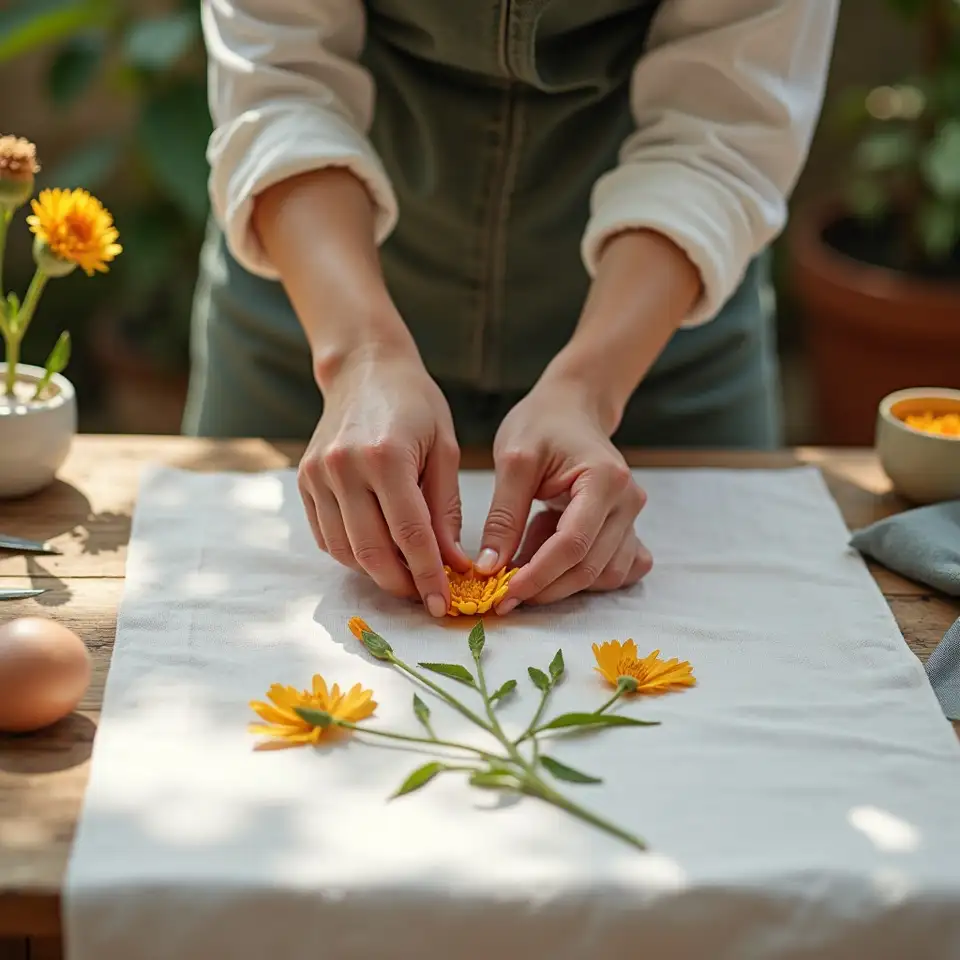
The fastest hammer swing rarely produces the richest colour transfer. I've learned — through genuinely ruined linen — that slowing down before you strike, studying the moisture content of a petal, and choosing the right surface thickness all matter enormously. Expert botanical dyer India Flint has long argued that the maker's attentiveness is itself a pigment, and I believe her. When I'm present and unhurried, the prints improve visibly. That principle shapes every guide I write for this community.

02

Nature sets the palette, not the craft store

I deliberately avoid synthetics. The whole point of hammered flower printing is that you're capturing the living chemistry of a plant — its anthocyanins, chlorophyll, and tannins — directly onto your chosen surface. That means working seasonally, accepting that a December daisy behaves differently from a February one, and treating colour variation as a feature rather than a flaw. This philosophy keeps the craft honest and the results genuinely unique every single time you sit down to work.

03

Sustainability is baked into the method itself

Unlike many dye processes, hammered printing requires no mordant baths, no heated chemicals, and virtually no water waste. I think that's worth celebrating and protecting. So I encourage sourcing flowers from your own garden, local growers, or wildflower patches where harvesting is permitted. I'll always point out when a shortcut might compromise that low-impact ethos, because keeping the process clean is part of what makes it worth doing.

04

Sharing knowledge freely makes the whole craft stronger

I could keep my best techniques close to my chest. I won't. Every time I discover why a particular species transfers better on dampened watercolour paper than on dry fabric, I write it up and share it here. The community grows when knowledge circulates, and frankly, the more skilled makers there are out there, the more interesting the collective body of hammered print work becomes. That rising tide genuinely lifts every boat, including mine.
05

Expect trade-offs and plan around them

Some flowers fade within months regardless of fixatives. Some fabrics resist pigment no matter how firm the strike. I think it's important to say that plainly rather than dress it up. Hammered flower prints are living artefacts, not archival photographs — and that impermanence is part of their beauty. My guides always include a candid section on longevity and care so you can make informed choices about materials before you begin, not after you're disappointed.

What This Community Genuinely Stands For

I built this site around a handful of values I keep coming back to whenever I'm deciding what to publish, whose work to feature, or how to explain a tricky technique — they're not abstract ideals, they're the actual decisions I make every week as I add content and respond to the community

Creativity Over Perfection

I've seen too many potential makers abandon the craft because their first print didn't match an image they'd saved online. That's the wrong benchmark entirely. Hammered flower printing is an exploratory process — species vary, humidity varies, your strike angle varies — and the unexpected results are frequently the most interesting ones. I celebrate the imperfect print, the accidental bleed of indigo from a cornflower, the ghost outline left by a bruised leaf. That creative unpredictability is the whole point.

Radical Accessibility

You need a hammer, some fresh flowers, and a surface to print on. That's genuinely the barrier to entry. I've made it a firm principle that nothing on this site assumes expensive equipment, specialist suppliers, or a formal art background. If a technique requires something beyond the basics, I'll say so clearly and suggest alternatives. The craft should be open to anyone with a garden visit and an afternoon to spare, not gated behind a supply list that costs a fortune to assemble.

Deep Respect for Natural Materials

Every flower that goes under a hammer is a living system of pigments, oils, and cellular structure. I approach botanical material with genuine curiosity and care — which species mordant naturally, which release pigment under pressure alone, which fade fastest and which are surprisingly light-stable. That knowledge comes from observation and careful note-taking over many seasons. I share it here in detail because understanding your materials at this level is what separates a maker from someone who just hammers things and hopes for the best.

Inclusive and Welcoming to All Skill Levels

I designed this site to serve a returning maker refining their mordanting approach just as well as someone who has never picked up a craft hammer. That means layered content — foundational guides sit alongside more nuanced technical discussions without one talking down to the other. I've tried hard to avoid the gatekeeping that plagues some niche craft communities. If you're here and curious, you belong here, full stop. Comments, questions, and even polite corrections to my technique notes are genuinely welcome.

Free and Open Knowledge Sharing

Every technique I've refined through seasons of experimentation lives on this site, openly available. I don't hide the good stuff behind a paywall or drip-feed insights to build artificial suspense. If I discover that lightly misting cotton before hammering a high-moisture flower dramatically improves pigment transfer, I write it up the same week. The craft community as a whole benefits when individuals share discoveries freely, and I've benefited enormously from makers who shared with me — this is how I give that forward.

Seasonal and Ecological Mindfulness

I think about the ecological footprint of this craft constantly, which is part of why I love it — the footprint is genuinely tiny. But there are still choices to make: sourcing ethically, avoiding over-harvesting from wild populations, composting botanical waste, choosing natural fibres over synthetics. I incorporate that thinking into every guide I write, not as a lecture but as a practical consideration. Working with the seasons rather than against them also produces better prints — it's good ecology and good craft simultaneously.

How This Site Grew From a Single Mallet Strike

What started as a Sunday afternoon experiment in a Melbourne backyard has grown steadily into a resource I'm genuinely proud to maintain and share.

first hammered flower print on cotton
2019

First Flower, First Print

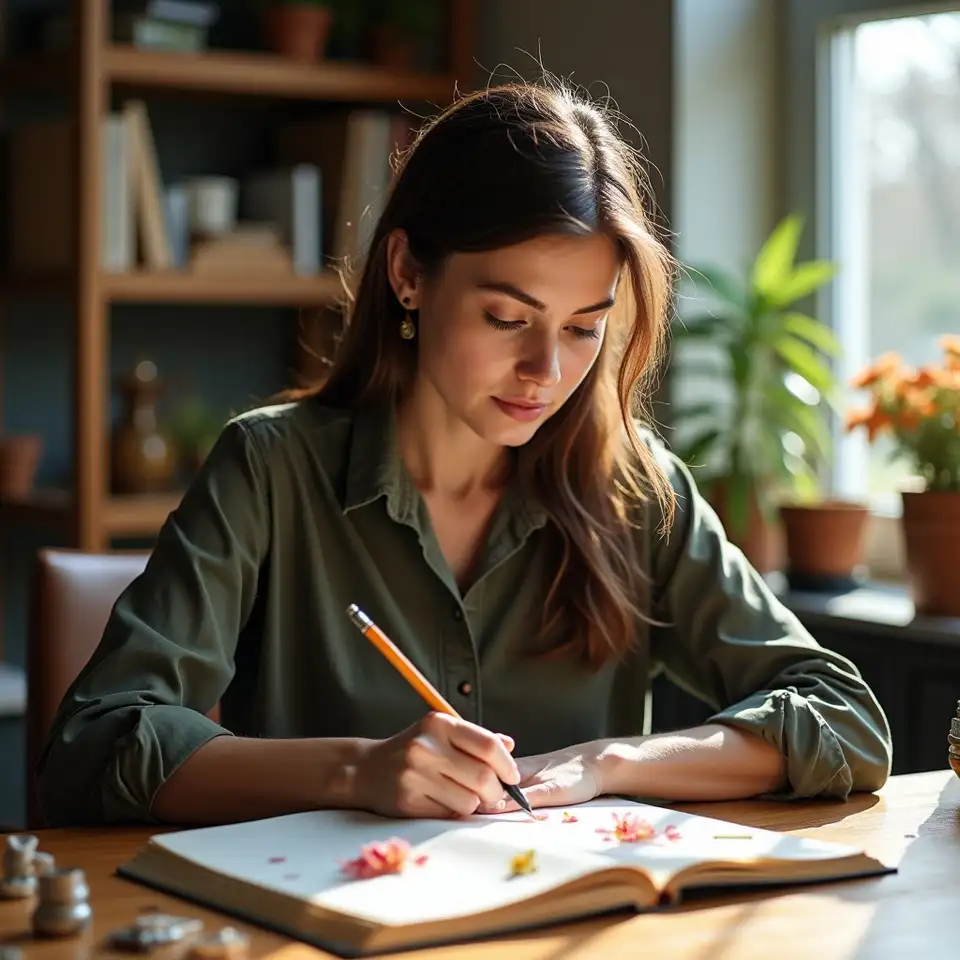
I found a description of hammered flower printing in an old botanical crafts book at a weekend market, tried it that same afternoon with a geranium and a scrap of calico, and produced something so unexpectedly beautiful that I photographed it immediately. That single print started an obsession. Over the following months I worked through every flowering plant in my garden — cataloguing which species transferred richly and which barely left a trace — filling a dedicated notebook with results, failures, and questions I didn't yet have answers to.

botanical craft journal and pressed flowers
2021

Sharing Notes Online

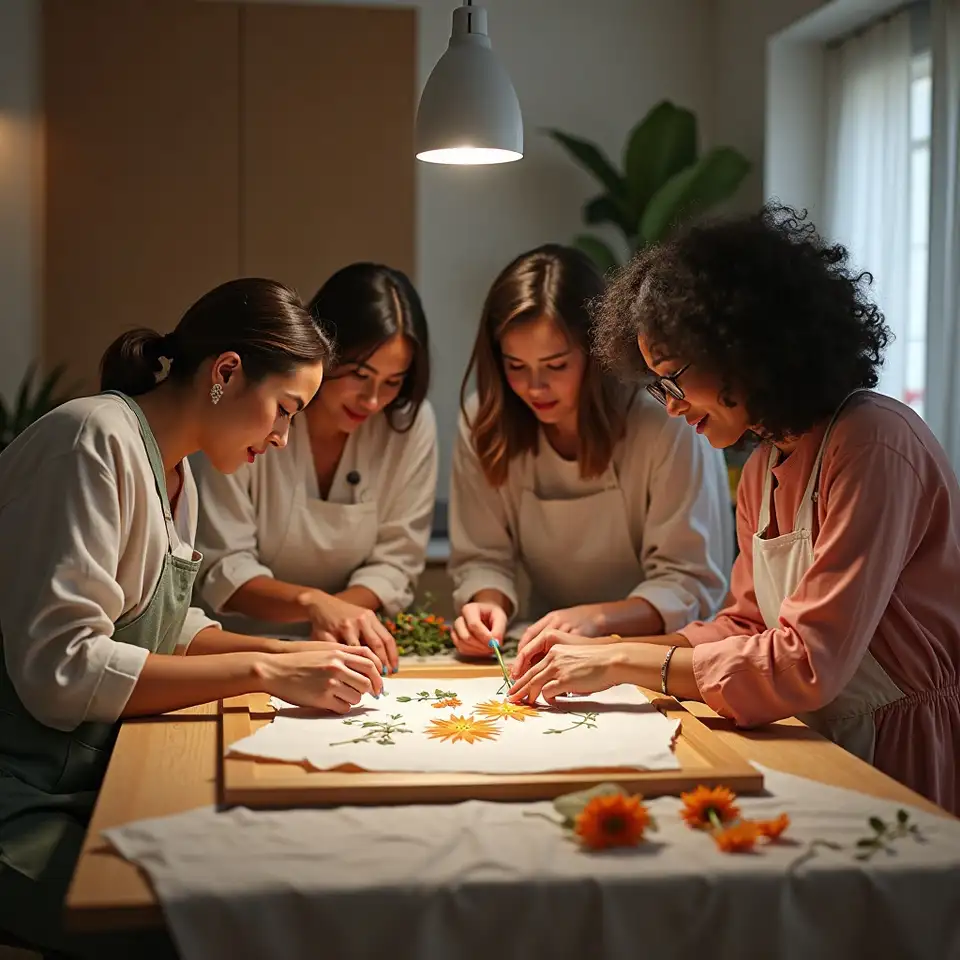
After two years of quiet experimentation, friends kept asking me to explain my process, so I started publishing my notes as a simple blog. The response from other botanical crafters in Australia and internationally was faster and warmer than I expected. Within a few months I had a small but genuinely engaged readership trading tips in the comments — people who'd independently discovered the same technique and had their own hard-won species knowledge to share. That exchange made the content far richer than anything I could have produced alone.

community flower printing workshop session
2023

Community Grows, Content Deepens

With a steadily growing readership came more complex questions — about mordanting natural fibres, working with Australian native species, achieving longer colour retention, and adapting the technique for children's workshops. I responded by expanding the site significantly, adding structured project guides, a species reference section, and a dedicated area for community-submitted prints. The site had evolved from a personal notebook into a genuine shared resource, and I realised I needed to curate it with the same care I brought to the craft itself.

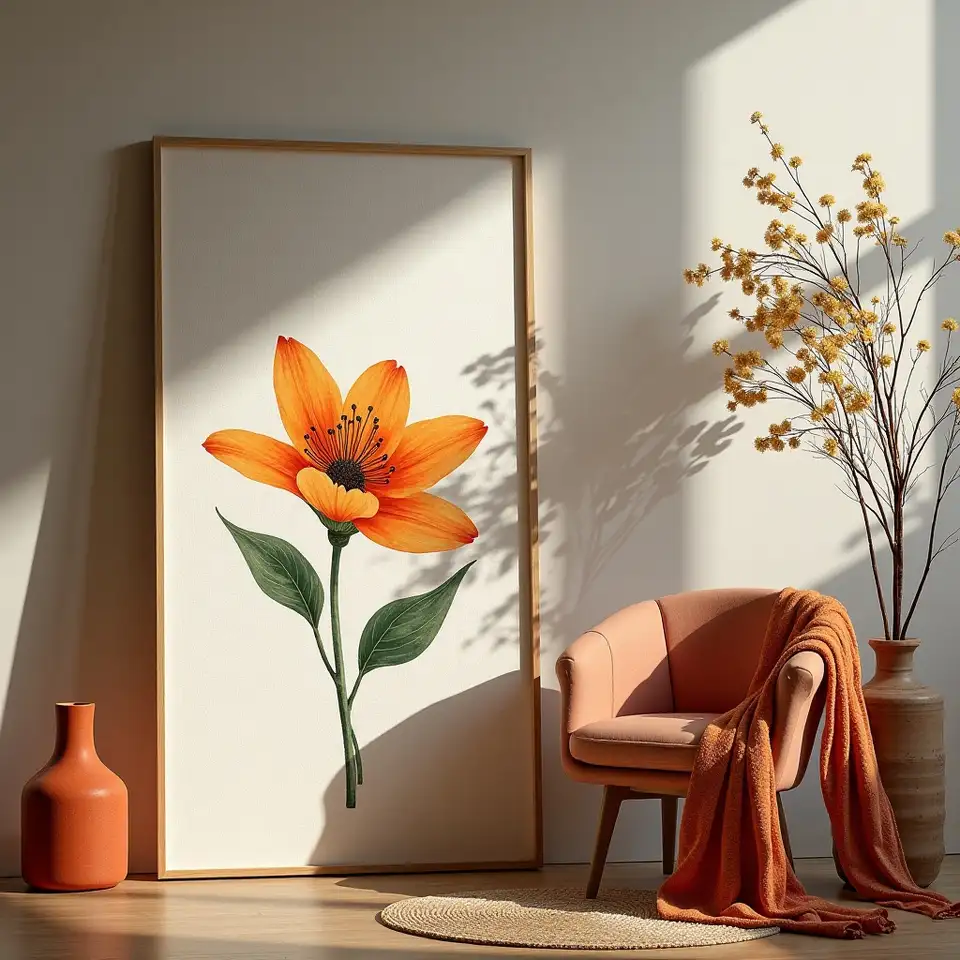
finished hammered flower prints on linen
2025

A Refined Resource, Honestly Maintained

Today this site reflects years of accumulated technique, community feedback, and ongoing seasonal experimentation. I revisit older guides regularly to update them when I learn something new — if a previously recommended method turns out to have a better alternative, I say so clearly rather than leaving outdated advice in place. The craft keeps evolving as I discover new species combinations and surface types worth testing, and that sense of ongoing discovery is precisely what keeps me sitting down at my workbench with fresh flowers every season.

The People Who Help Make This Community Work

I do most of the writing and experimentation myself, but this site wouldn't be what it is without a small group of dedicated contributors who bring specialist knowledge, editorial care, and genuine enthusiasm for the craft. Here are the people you're actually hearing from when you read something on this site.

Maya Thornton, Site Founder and Lead Maker

Maya Thornton, Site Founder and Lead Maker

Founder, botanical printer, and primary content author

Based in Melbourne, Victoria, Australia

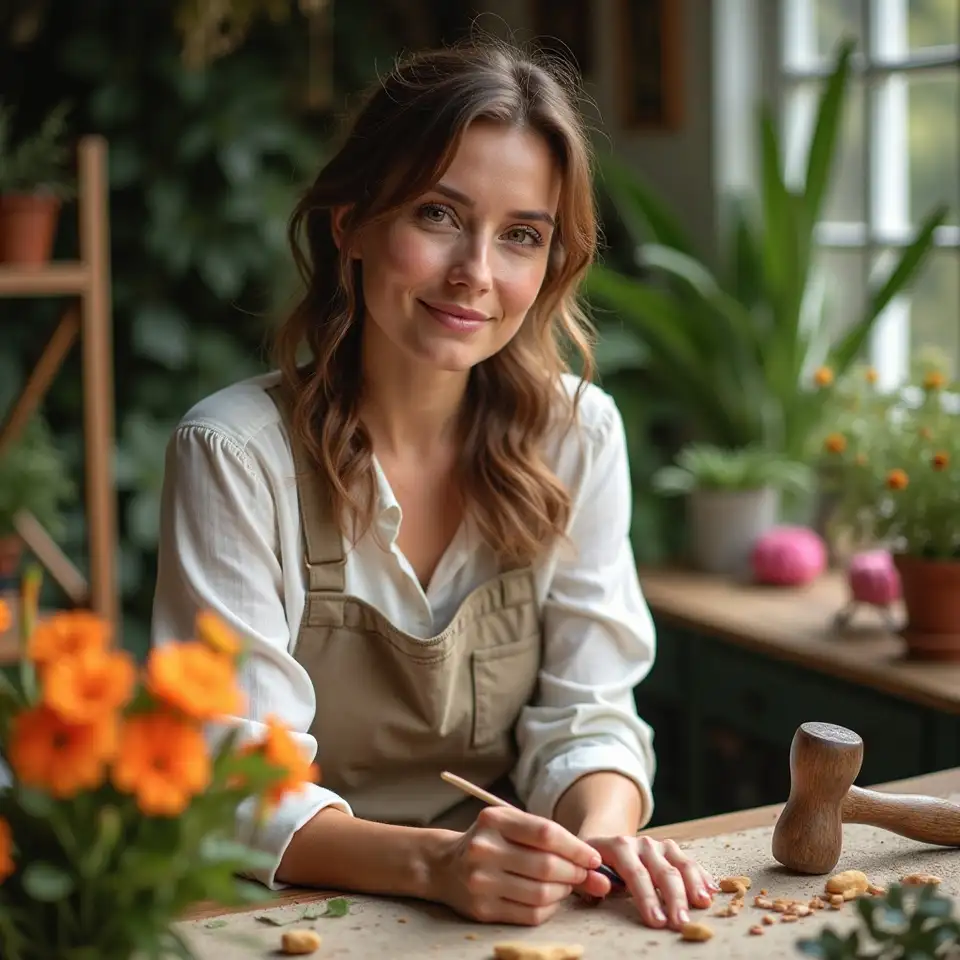
I've been practising hammered flower printing long enough to have filled multiple notebooks with species results and failed experiments. I write the main technique guides on this site from direct personal practice — if I haven't tried something myself across multiple sessions and seasons, I don't publish it. I think that standard matters for a craft where the variables are so numerous and the advice so often contradictory.

Core areas of practice

Fresh flower pigment transfer techniques Natural fibre surface preparation and mordanting Australian native species identification for printing Seasonal botanical sourcing and ethics
Daniel Osei, Textile Materials Specialist and Contributor

Daniel Osei, Textile Materials Specialist and Contributor

Guest contributor focused on fabric science and fibre behaviour

Based in Sydney, New South Wales, Australia

Daniel brings a textile background that complements my botanical focus beautifully. Where I think in terms of the flower's chemistry, he thinks in terms of the fabric's receptivity — and those two perspectives together produce far more useful guidance than either would alone. His contributions to the surface preparation guides have consistently been among the most appreciated pieces on the site, particularly among makers working on wearable pieces.

Specialist knowledge areas

Natural and synthetic fabric comparison for printing Fibre preparation and pre-treatment methods Wash-fastness testing and practical longevity assessment Sustainable textile sourcing in Australia
Priya Kalyanaraman, Community Moderator and Plant Identifier

Priya Kalyanaraman, Community Moderator and Plant Identifier

Community moderator and botanical identification resource

Based in Brisbane, Queensland, Australia

Priya keeps the community conversations constructive, welcoming, and technically accurate — which is a more demanding job than it might sound when you're dealing with enthusiastic makers who sometimes share advice that conflicts with what the science actually supports. Her botanical knowledge is particularly valuable for members in Queensland and subtropical climates, where the species range differs significantly from the southern states I know best.

Community and botanical roles

Australian and subtropical species identification Community engagement and member support Ethical wildflower harvesting and sourcing guidance Seasonal availability guides for Queensland species
Sam Whitfield, Project Ideas Editor and Featured Artist

Sam Whitfield, Project Ideas Editor and Featured Artist

Project editor, featured artist, and workshop design contributor

Based in Adelaide, South Australia, Australia

Sam edits the project ideas section of this site with a keen eye for making each project genuinely achievable, not just aesthetically appealing on a page. They're also one of the more inventive makers I know — their mixed-media pieces that combine hammered prints with other botanical processes regularly inspire the community in directions I hadn't anticipated. When a project guide lands particularly well, there's a good chance Sam shaped it into its final form.

Creative and editorial specialisms

Project concept development and sequencing Mixed-media botanical art and composition Workshop design for community and educational settings Photography and documentation of botanical prints

Come Make Something

If you've been reading through this page and thinking you'd like to try hammered flower printing, or if you've already been doing it and want to share what you've learned, I'd genuinely love to hear from you. This site works best as a conversation rather than a monologue, and your questions, your species discoveries, and yes, your failed prints all help make the resource stronger for everyone who finds it.

Say hello
This website uses cookies to keep things running smoothly and to understand how visitors navigate our botanical craft content. You can accept or decline non-essential cookies at any time through your browser settings.