Creative Directions
What Will You Create Next?
From greeting cards printed with a single pansy to framed linen compositions using a whole season's worth of native species, hammered flower printing scales to whatever you want to make — the surface changes, the technique stays the same.
Projects to explore
$ 250,000.00
ideas across all skill
levels
-
First print $ 10,000.00
-
Fabric projects $ 500,000.00 -
Mixed media $ 1,500,000.00
Beginner
Advanced
-
No synthetic inks or dyes
-
Fresh botanical materials only -
Open knowledge freely shared -
Honest about technique trade-offs
Project Ideas for Every Level of Maker
Hammered flower printing applies to an enormous range of surfaces and finished objects —
here are two featured directions that demonstrate just how different the outcomes can be
from an identical starting technique. I've chosen these because they represent opposite
ends of the project complexity spectrum, and both are genuinely achievable with materials
most Australian makers already have access to through garden centres, fabric shops, and
weekend markets.
Every project here comes from real experimentation in my studio and the broader community of makers who contribute to this site. I document what works, what requires patience, and where the technique has real limits — so you can choose a direction that matches the time and materials you actually have available right now.
Featured
Paper Craft
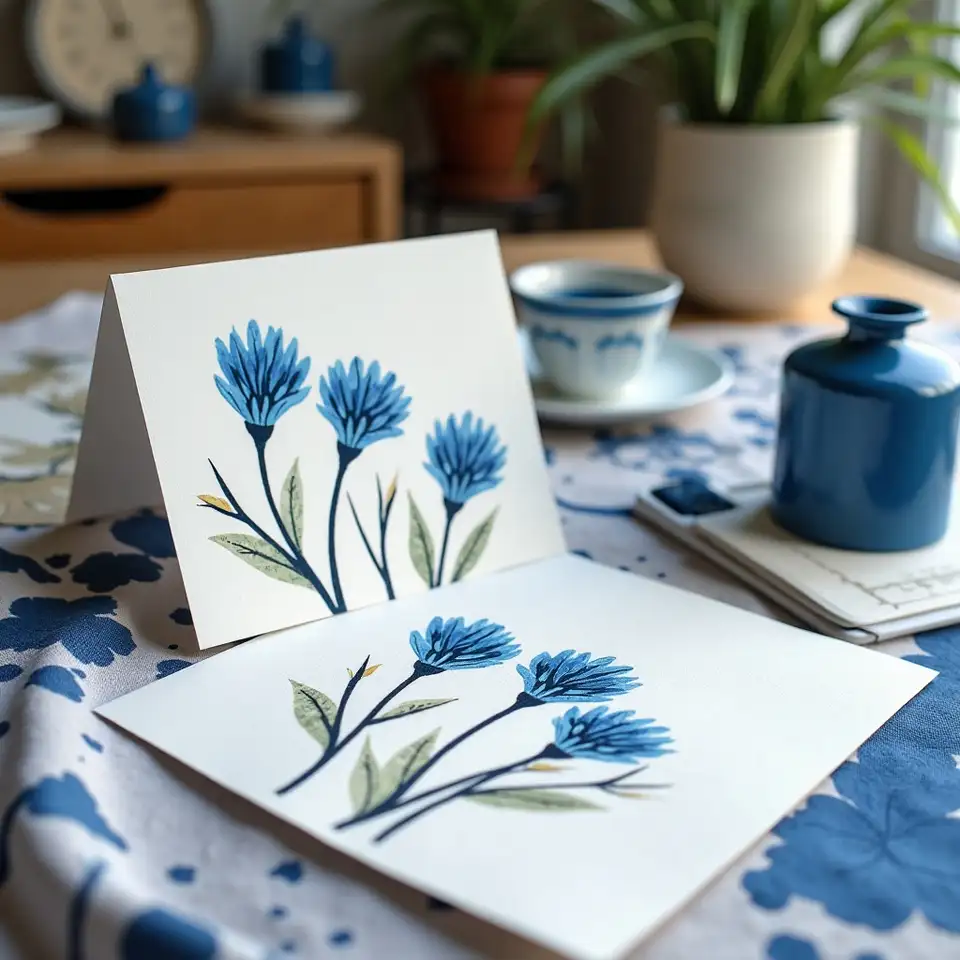
Hammered Flower Greeting Cards on Watercolour Paper
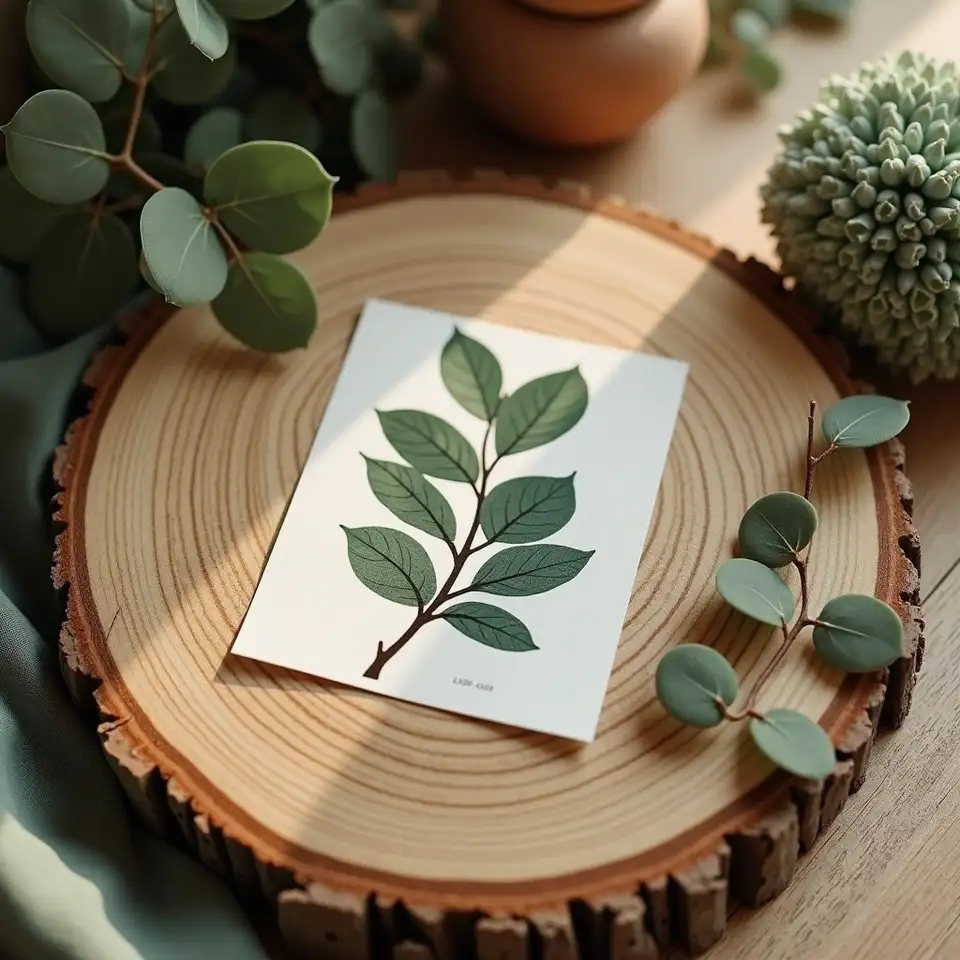
Greeting cards are the ideal first project because watercolour paper is the most
forgiving printing surface available — it accepts botanical pigment readily
without any pre-treatment, dries quickly, and holds the transferred colour
crisply. A single pansy or coreopsis face-down on a folded A5 sheet, covered
with baking paper and struck with a rubber mallet, produces a finished card in
under ten minutes. The honest trade-off is longevity: pigments from
anthocyanin-rich flowers will fade over months if the card is displayed in
direct light, so I recommend these as functional gifts rather than archival
keepsakes. That said, the results from a fresh summer cornflower on cold-pressed
paper are genuinely striking.
Watercolour paper
Rubber mallet
Baking paper
Alum fixative
Featured
Textile Craft
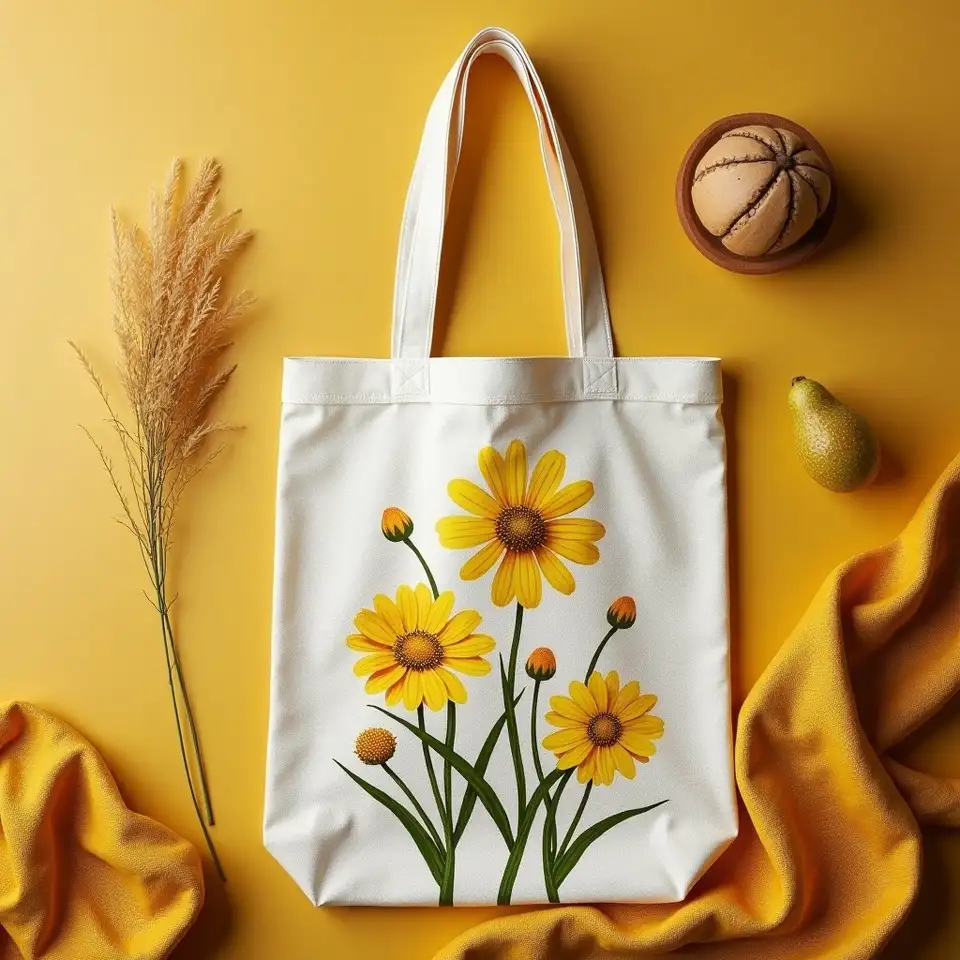
Botanical Print Linen Tote Bag Using Native Species
A natural linen tote bag offers a larger, more ambitious canvas that rewards the extra preparation time it requires. Lightly mordanting the linen with alum solution before your session dramatically improves pigment uptake and wash-fastness — a step that adds an hour to your process but visibly extends the life of the finished print. Australian native species perform particularly well on linen: everlastings produce warm golden tones, and native daisies leave detailed structural impressions that hold their clarity through careful hand washing. The project takes a full afternoon from mordanting to fixative application, and the result is a genuinely useful object that carries the specific character of whatever was flowering in your garden the day you made it.
Natural linen
Alum mordant
Wooden mallet
Native botanicals
Community Print Gallery
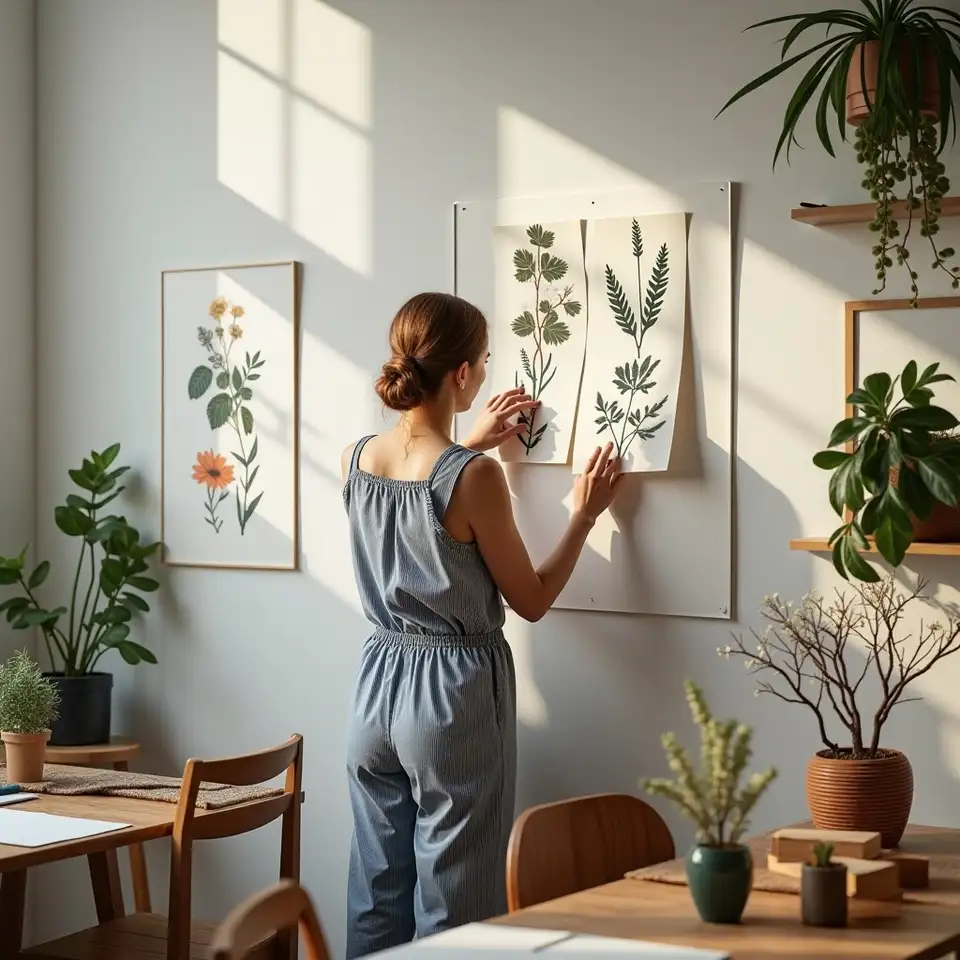
Hammered flower projects submitted by makers across Australia, organised by printing surface
to help you find inspiration relevant to your chosen material
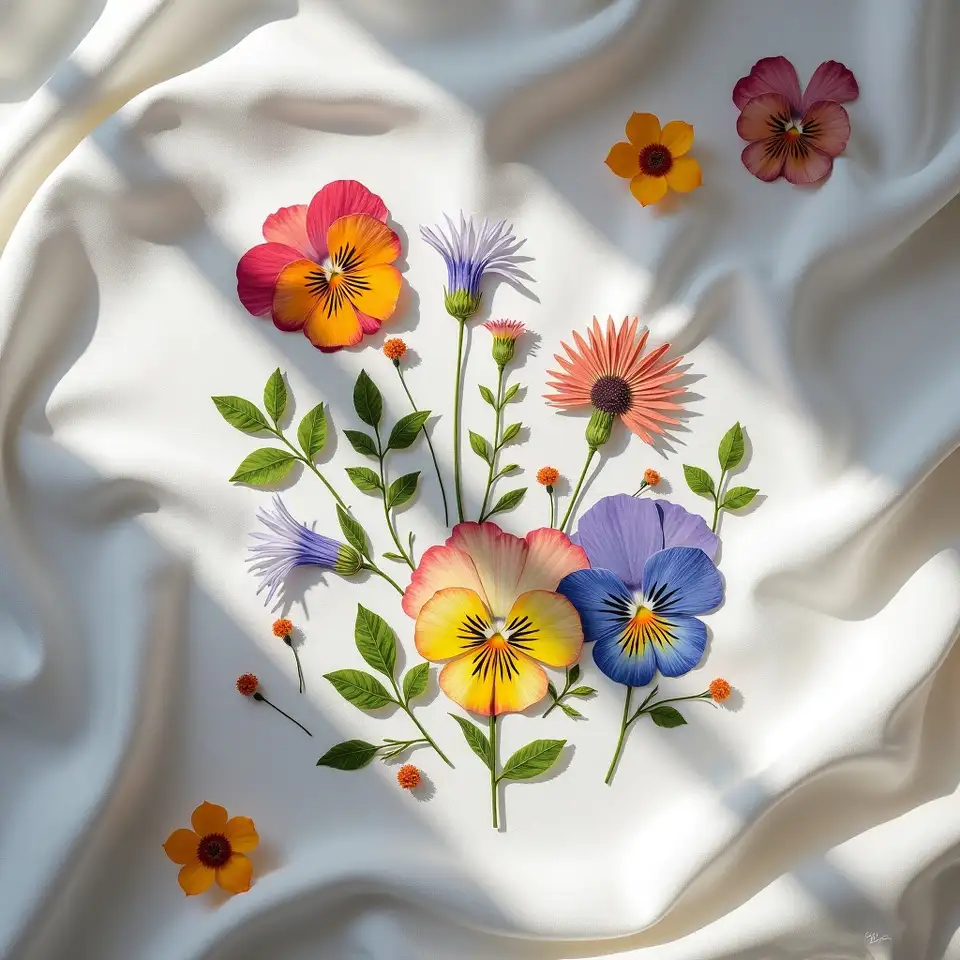
01 Pansies on unbleached cotton calico
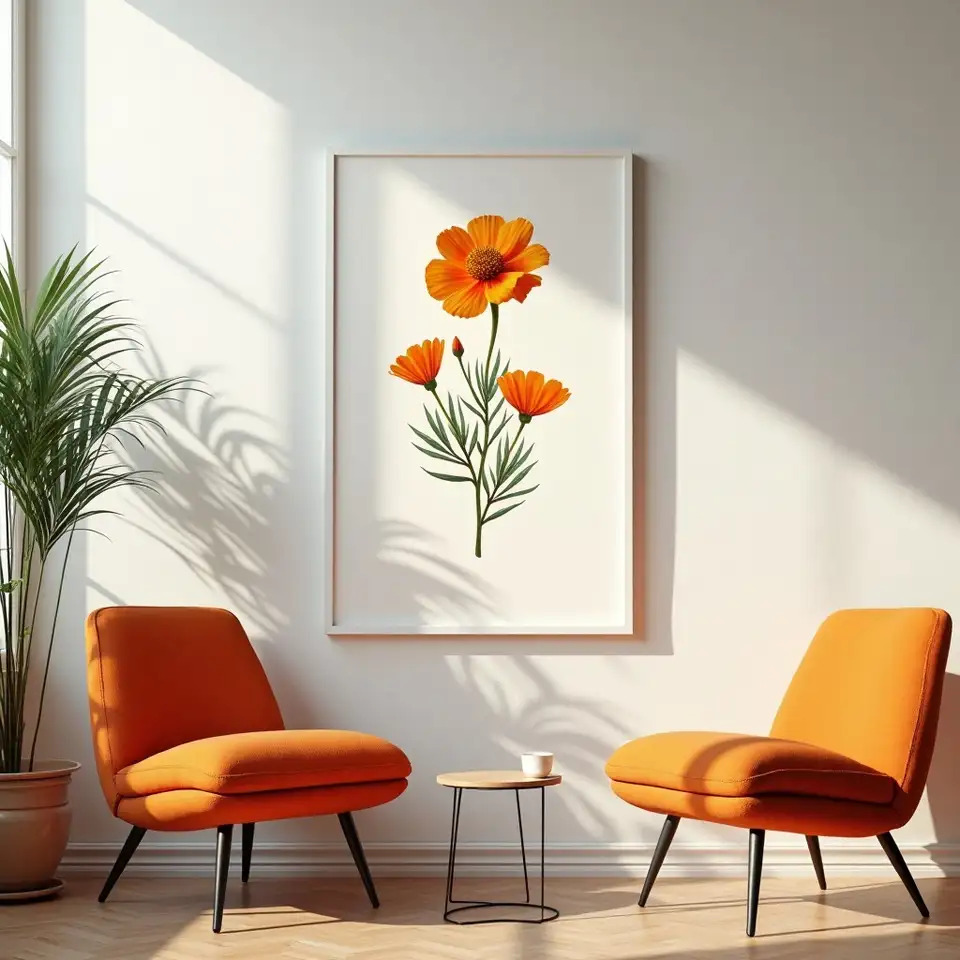
02 Framed marigold composition on paper
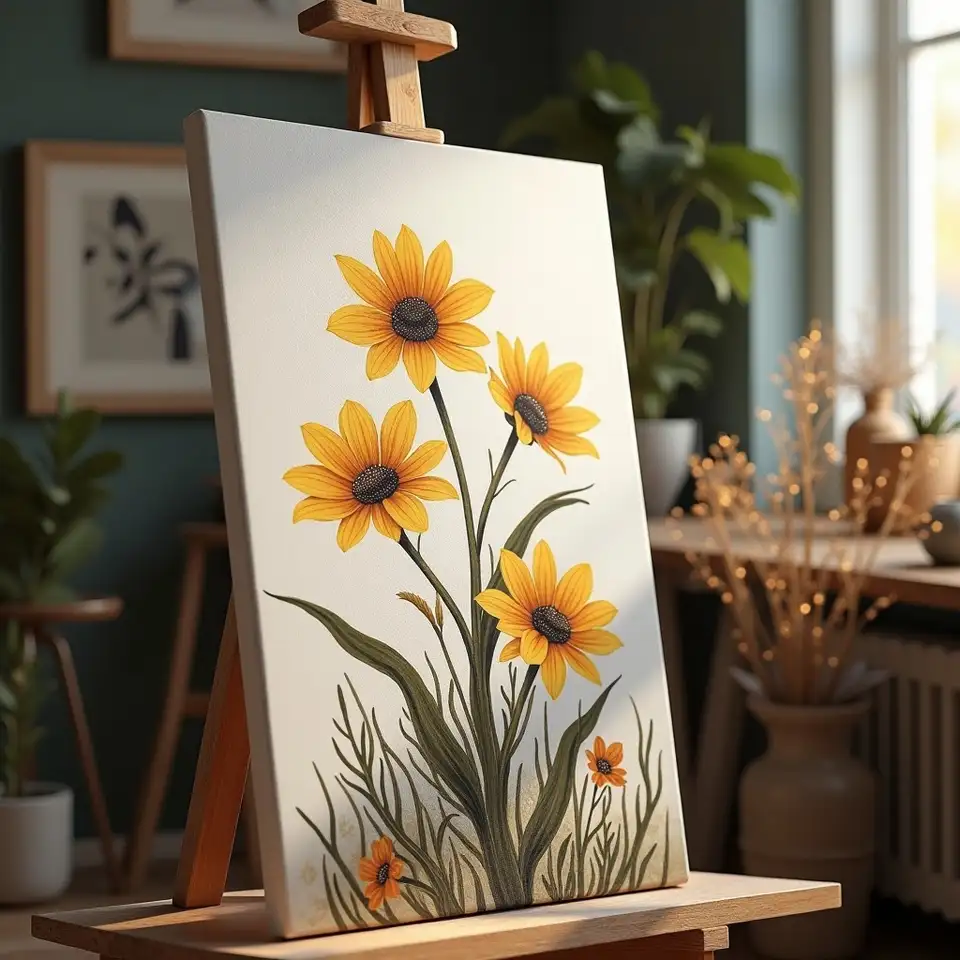
03 Native daisies on primed canvas
How I Choose and Share Project Ideas With This Community
Every project idea on this page comes from one of two places: my own direct
experimentation across seasons in my Melbourne studio, or contributions from the
growing community of makers who use this site and share their outcomes through the
community section. I don't publish a project idea unless I've verified that
the technique is achievable without specialist equipment and that the honest
trade-offs — colour fading, species variability, surface sensitivity — have been
clearly documented alongside the process description. That standard means the
library of ideas here grows more slowly than it might otherwise, but everything in
it is worth your time and materials to attempt. Seasonally I add new directions that
reflect what is currently flowering in Australian gardens — spring brings the
anthocyanin-rich species like pansies and cornflowers, while late summer favours
carotenoid-rich marigolds and coreopsis that transfer rich warm tones and hold their
colour more reliably over time.
Project ideas are organised by surface type because that is the most practically useful way to browse when you are standing in front of your workbench with a pile of fresh flowers and a decision to make about what to print on.
Community-submitted projects are highlighted throughout this section because the breadth of species and regional climate diversity across Australia produces outcomes I genuinely could not generate from a single Melbourne garden.
Featured artist spotlights appear periodically when a community member has developed a particularly inventive application of the core technique — mixed-media pieces, resist printing, and large-format compositions have all appeared in this space.
I revisit and update older project ideas when I discover a better approach or when community feedback identifies something that could be more clearly explained — so returning makers will occasionally find refinements to guides they've read before.
Get Seasonal Project Ideas Delivered
Choose your interests
Welcome — first ideas incoming soon